

 English
 Español
Why Regular Dog Toys Fail Quickly
Watch a determined dog with a new toy,y and the pattern emerges. Within minutes, stuffing flies everywhere as seams rip apart. The squeaker goes silent forever. A chew-proof squeaky dog toy must overcome forces that destroy ordinary plush toys rapidly. Dogs generate tremendous pressure with their jaws, and their back teeth work like scissors,s slicing through threads and fabric. Manufacturers studying this problem discovered that traditional construction methods leave weak points at exactly the places dogs attack first during enthusiastic play sessions.
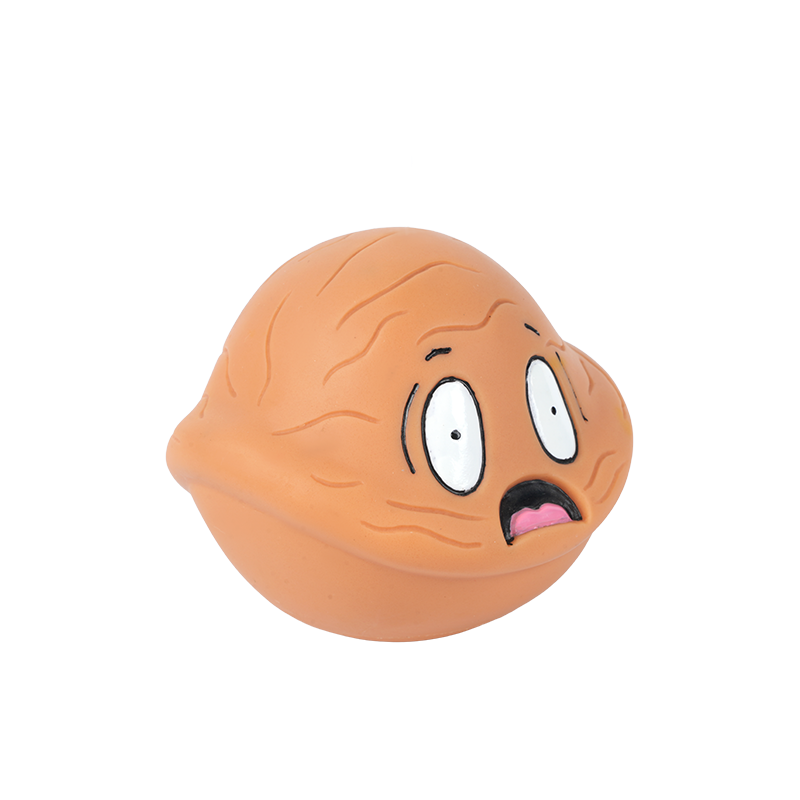
The Weak Point Problem
Every stitched seam contains thousands of individual thread loops that dogs can pick apart. A determined dog focuses on these spots until the entire structure unravels completely. Even toys with protective webbing around edges fail when dogs concentrate on overlapping areas where guards join. A properly engineered chew-proof squeaky dog toy addresses this through specialized stitching patterns that resist picking behavior. The key innovation involves aligning stitches parallel to the chewing motion rather than perpendicular, reducing friction when teeth slide across fabric surfaces repeatedly.
Material Science Behind Durability
Ultra-high molecular weight polyethylene fabric forms the foundation of serious chew-resistant construction. Originally developed for ballistic protection, this material resists cutting and abrasion exceptionally well through continuous use. When combined with high-tenacity nylon or polyester fabrics, the combination creates barriers that dogs cannot penetrate easily. A quality chew-proof squeaky dog toy uses these materials in critical areas where teeth concentrate force, particularly around edges and seams where failure typically begins during aggressive play.
Stitching Technology Innovation
Thread selection proves as important as fabric choice for overall durability. Specialized thread matches the strength of the fabric it joins, eliminating weak points where ordinary polyester thread would snap under pressure. Double zig-zag stitch patterns distribute stress across wider areas, while running parallel to the chewing motion reduces cutting action from teeth sliding across surfaces. This engineering approach allows a chew-proof squeaky dog toy to survive play sessions that would destroy conventionally constructed alternatives within minutes of enthusiastic chewing.
Squeaker Protection Methods
The squeaker itself represents a vulnerability if dogs can reach it during play. Advanced designs embed sound mechanisms deep within toys, surrounded by multiple protective layers preventing access. Some manufacturers position squeakers away from edges where dogs concentrate chewing most aggressively. Others use reinforced chambers that resist crushing while transmitting sound through small openings. A well-designed chew-proof squeaky dog toy protects its squeaker as carefully as its outer surfaces, ensuring the satisfying sound continues through extended use.
TPR and Rubber Alternatives
For dogs preferring rubber textures, thermoplastic rubber offers excellent durability with natural flexibility. These materials resist tearing while remaining gentle on teeth and gums during vigorous play. High-quality TPR contains no harmful substances like heavy metals or phthalates that could harm pets during extended chewing sessions. A rubber chew-proof squeaky dog toy made from properly formulated material withstands aggressive chewing while maintaining bounce and flexibility for interactive games of fetch and tug.
Testing Standards for Durability
Serious manufacturers subject products to rigorous testing before claiming chew resistance. Compression tests simulate thousands of bite cycles from powerful jaws. Tear strength measurements verify that fabric performance exceeds requirements for heavy use. Squeaker endurance testing confirms mechanisms survive extended abuse without failure. These standards separate genuine chew-proof squeaky dog toy products from ordinary toys with optimistic marketing claims unsupported by actual testing data.
Size Considerations for Different Breeds
Powerful jaws come in various sizes, requiring appropriately scaled toys for safety. Small aggressive chewers need compact designs fitting their mouths while providing sufficient material thickness. Large breeds require substantial toys distributing bite force across wider areas to prevent concentration. A properly matched chew-proof squeaky dog toy considers both jaw strength and mouth dimensions, ensuring dogs cannot compress toys to points where teeth concentrate force destructively during play.


 +86-13777516794
 Pudong Urban Industrial Functional Zoning of Baima Town, Pujiang, Zhejiang, China